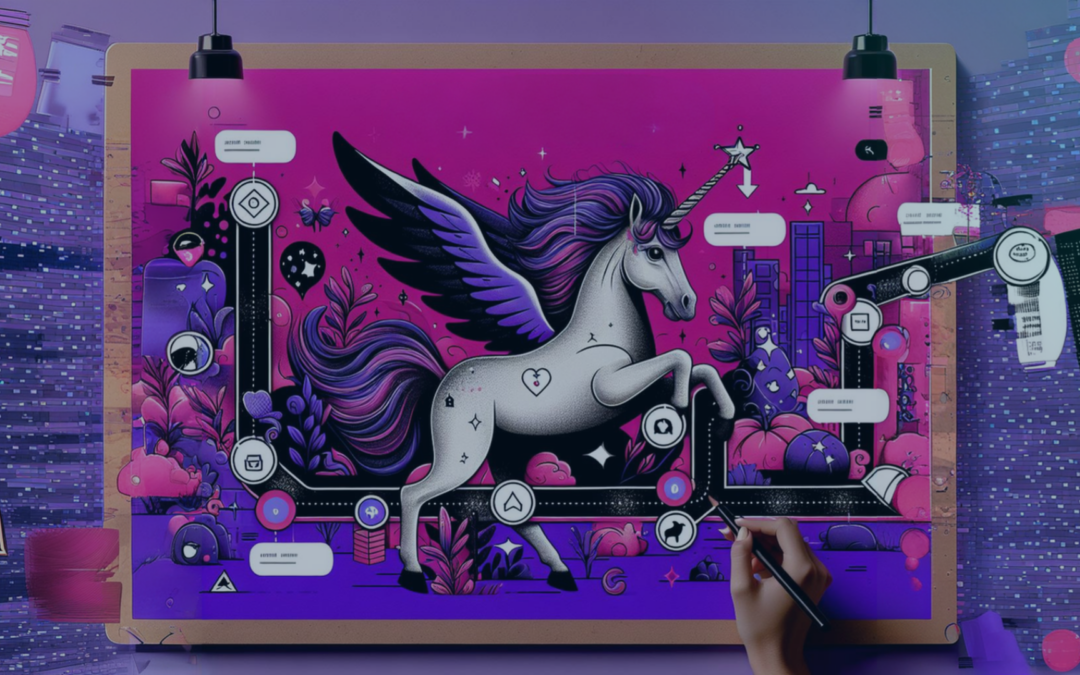
The customer journey is the roadmap that leads potential customers from their first interaction with your brand to becoming loyal advocates. A well-mapped customer journey does more than engage – it creates revenue-focused marketing strategies that drive measurable growth.
By mapping each stage of the journey, businesses ensure that every interaction aligns with customers’ needs and moves them closer to conversion. This guide will walk you through building and optimising a customer journey that delivers sustainable revenue.
Defining the Customer Journey
Understanding the stages of the customer journey is the foundation for building a strategy that converts. The journey typically includes four stages:
- Awareness: The customer becomes aware of a problem or need and starts exploring solutions.
- Consideration: They narrow down their options, comparing products or services.
- Decision: The customer chooses a solution and makes a purchase.
- Advocacy: After purchasing, they continue engaging with the brand, potentially becoming loyal advocates.
Example: Slack’s Customer Journey for Freemium-to-Premium Conversion
Slack identified key moments in their freemium-to-premium journey to streamline conversions. During the awareness stage, they offered free features that allowed users to experience Slack’s core functionality. In the consideration phase, they nudged users toward premium features that would enhance productivity for teams. When customers reached the decision stage, Slack provided tailored offers and discounts, making the transition seamless. This approach has been instrumental in converting free users to paying subscribers, resulting in higher long-term revenue.
Key takeaway: Map each stage to address the customer’s needs and motivations, moving them seamlessly from awareness to advocacy.
Building Detailed Buyer Personas
Buyer personas are fictional representations of your ideal customers. They allow you to segment your audience and tailor each stage of the customer journey to specific needs, motivations, and pain points. You can design more effective interactions by understanding who your customers are and what drives them.
Why Buyer Personas Matter
A well-crafted persona gives insight into what a customer values, what barriers they face, and how they make purchasing decisions. For instance, an enterprise SaaS company may create personas for “Tech-Savvy Executives,” “Product Managers,” and “IT Directors,” each with unique pain points and decision-making processes.
Example: HubSpot’s Persona Tool
HubSpot offers a Persona Tool that guides businesses through the process of building personas by identifying demographic information, preferred communication channels, and key challenges. With these personas, you can personalise your marketing strategies, aligning each journey stage with the needs of each segment.
Key takeaway: Develop personas that represent each segment of your target audience to ensure every marketing effort is relevant and impactful.
Mapping Key Touchpoints
Customer touchpoints are the interactions between a brand and a customer throughout their journey. These touchpoints could include social media posts, email campaigns, landing pages, or customer support interactions. Mapping these touchpoints allows businesses to identify where customers are most likely to engage and where they may drop off.
Why Mapping Touchpoints Matters
When you map each touchpoint, you can uncover friction points and identify gaps in the journey where leads may lose interest. This insight allows you to create seamless, engaging experiences at every interaction.
Example: Dropbox’s Onboarding Process
Dropbox refined its onboarding process after analysing where new users were experiencing friction. By implementing personalised emails, in-app prompts, and instructional content, Dropbox reduced drop-off rates and improved user engagement. This mapping exercise turned potential lost leads into paying customers.
Key takeaway: Identify all touchpoints to ensure they lead prospects forward in the journey, minimising drop-offs and maximising conversions.
Optimising Content for Each Stage
Tailoring content to each journey stage is essential for keeping customers engaged and moving toward conversion. Different stages require different types of content to address evolving needs.
- Awareness: Blog posts, social media content, and infographics that introduce your brand and address common pain points.
- Consideration: Case studies, comparison guides, and detailed product information to help customers evaluate options.
- Decision: Free trials, product demos, and limited-time offers to encourage purchase.
- Advocacy: Webinars, user communities, and loyalty programs to keep customers engaged after purchase.
Example: Zendesk’s Content Strategy
Zendesk creates targeted content at each stage of the journey. For the awareness phase, they publish blog posts on customer service best practices. In the consideration phase, they offer case studies and webinars demonstrating how Zendesk solves specific pain points. By the decision phase, they provide free trials and product demos. This strategy increases engagement at every stage, converting more leads into loyal customers.
Key takeaway: Develop a content strategy that provides value at each stage of the customer journey, building trust and guiding leads through to purchase.
Analysing and Optimising the Journey
Customer journey mapping isn’t a one-time exercise; it requires ongoing analysis and optimisation to ensure relevance. Using data from CRM systems and customer feedback, businesses can refine the journey to improve customer experience and drive revenue growth.
How CRM Data and Feedback Loops Enhance the Journey
CRM data provides insights into customer interactions, preferences, and behaviors, allowing businesses to adjust their journey based on real-time feedback. Netflix is a prime example of a company that uses data to continuously refine the customer journey. By analysing viewing habits and preferences, Netflix recommends content tailored to each user, enhancing engagement and reducing churn.
Example: Using CRM Data for Journey Optimisation
Tracking customer data within a CRM lets companies identify stages where customers hesitate or drop off. By addressing these bottlenecks, businesses can create smoother journeys that result in higher conversions and greater customer satisfaction.
Key Takeaway: Continuously analyse customer journey data to refine the experience and maximise revenue at each stage.
Mapping the customer journey is a powerful strategy for creating revenue-focused marketing. By defining each stage, building detailed personas, mapping touchpoints, and optimising content, businesses can guide leads smoothly from awareness to advocacy. Continuous analysis ensures the journey remains effective and relevant, driving consistent growth.
Ready to optimise your customer journey? Schedule a free consultation to learn how a well-mapped journey can transform your marketing into a powerful growth engine.