
To optimise your SaaS marketing strategy and ensure you’re driving meaningful growth, it’s crucial to track the right Key Performance Indicators (KPIs). These metrics help you measure your marketing effectiveness, uncover areas for improvement, and ultimately drive profitability. But which KPIs matter most? In this article, we break down the essential KPIs that will guide SaaS companies toward marketing success in 2025.
What Are Marketing KPIs, and Why Are They Important?
Key Performance Indicators (KPIs) are measurable values that demonstrate how effectively your company is achieving its key marketing and business objectives. For SaaS companies, KPIs are crucial for refining marketing strategies, ensuring that every campaign and initiative is moving the needle toward growth.
By tracking these metrics, SaaS businesses can:
- Measure the return on marketing investments.
- Identify which marketing activities are working and which aren’t.
- Adjust strategies in real-time to optimise performance and profitability.
In 2025, as competition intensifies and customer expectations evolve, these KPIs will provide the roadmap to ensure your marketing is both efficient and effective.
Essential KPIs for SaaS Companies
1. Customer Acquisition Cost (CAC)
What It Is:
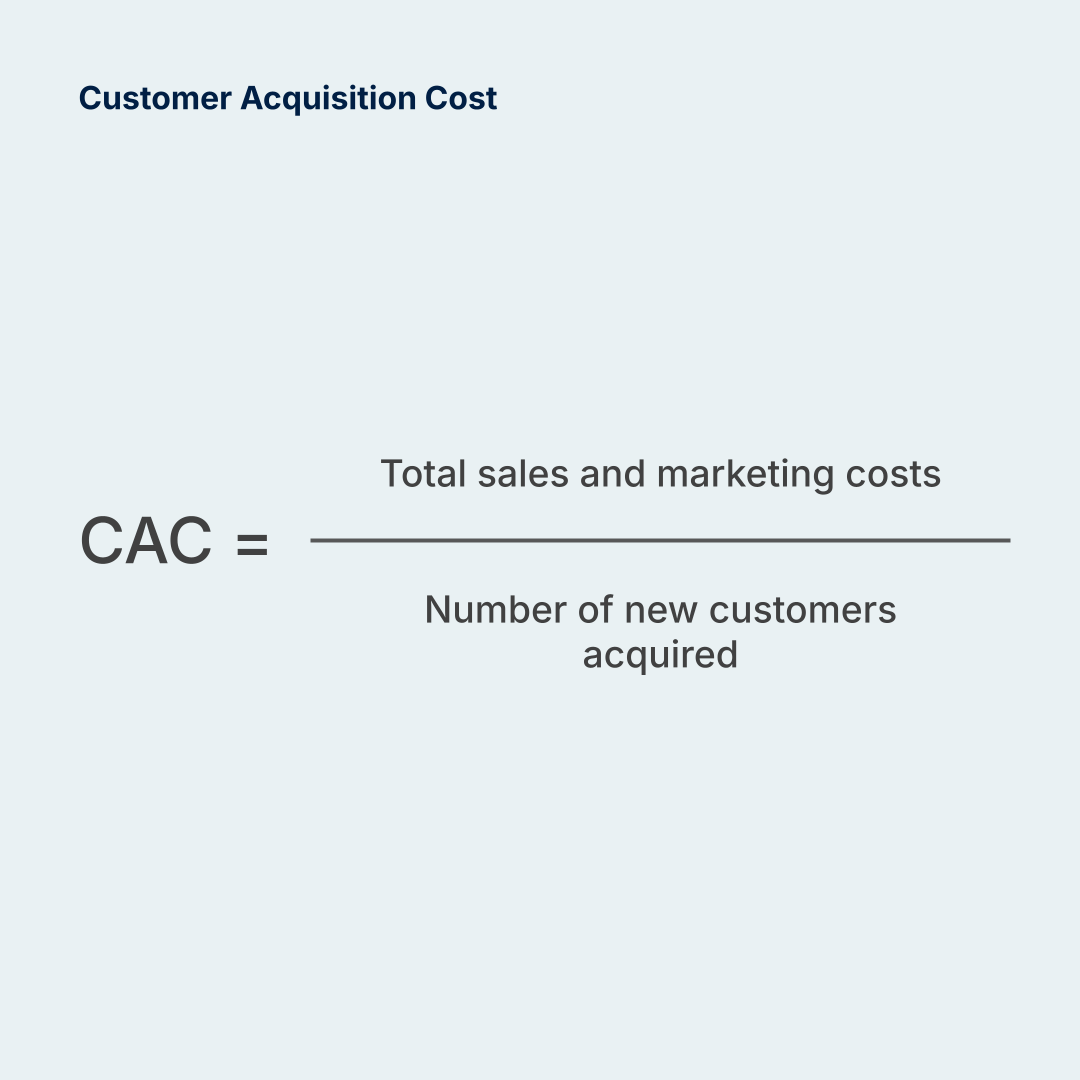
Customer Acquisition Cost (CAC) measures how much it costs to acquire a new customer, taking into account all marketing and sales expenses.
Why It Matters:
Knowing your CAC helps you determine how much you’re spending to bring in new customers—and whether that cost is sustainable for your business. If you’re spending more to acquire a customer than the revenue they bring in, your business model isn’t viable in the long term.
Optimisation Tip:
To lower CAC, focus on improving marketing efficiency through better targeting, leveraging content marketing to attract organic leads, and optimising conversion rates throughout the sales funnel.
2. Customer Lifetime Value (CLV)
What It Is:
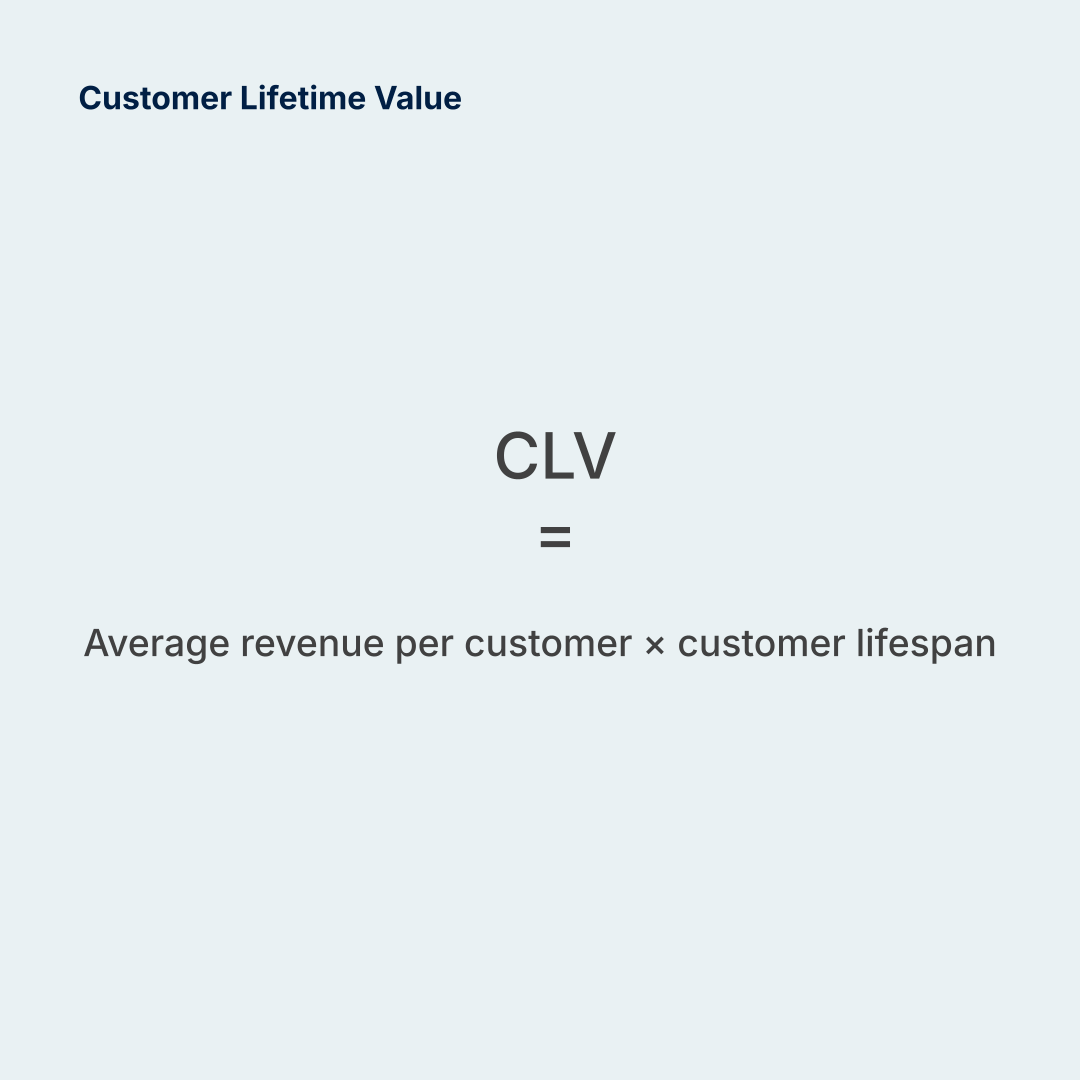
Customer Lifetime Value (CLV) is the total revenue you can expect to generate from a customer over the entire duration of their relationship with your company.
Why It Matters:
CLV is crucial for understanding the long-term profitability of your customer base. If you know the average CLV of your customers, you can make informed decisions about how much to invest in acquiring them (CAC). For SaaS businesses, where recurring revenue is key, increasing CLV is vital for growth.
Optimisation Tip:
Increase CLV by improving customer retention, cross-selling, and upselling to existing customers. Invest in customer success teams and ensure your product continues to provide value throughout the customer’s journey.
3. Churn Rate
What It Is:
Churn Rate measures the percentage of customers who stop using your product or cancel their subscription during a given period.

Why It Matters:
Churn directly affects your company’s ability to grow. If you’re losing customers as quickly as you’re acquiring them, it will be impossible to scale. A high churn rate can also indicate that customers aren’t seeing enough value in your product, signaling the need for product improvements or better customer support.
Optimisation Tip:
Reduce churn by focusing on improving customer experience, offering proactive customer support, and gathering feedback to understand why customers leave.
4. Conversion Rate
What It Is:
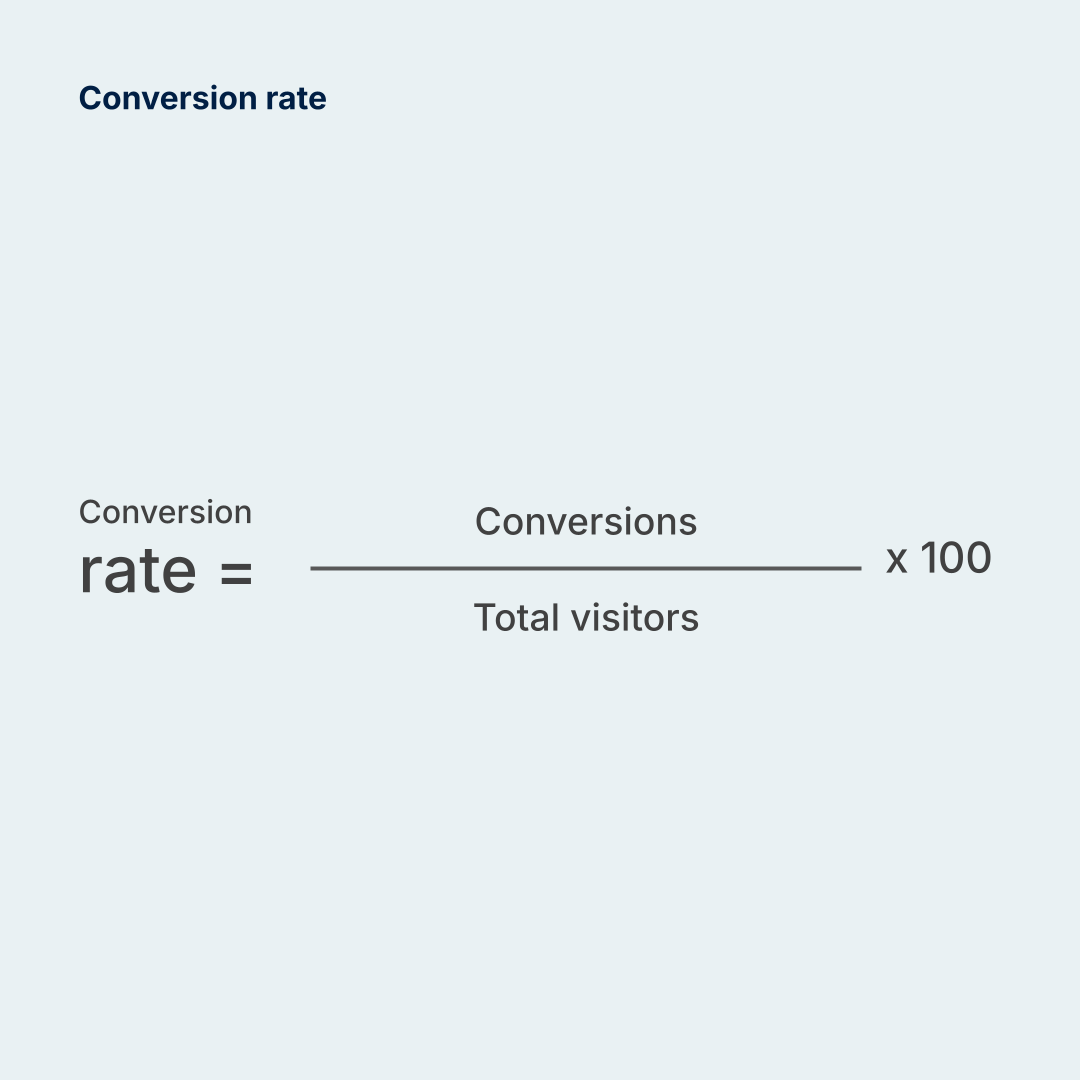
Conversion Rate measures the percentage of visitors who take a desired action, such as signing up for a free trial, scheduling a demo, or becoming a paying customer.
Why It Matters:
Conversion rate is a key indicator of how well your website, landing pages, or marketing campaigns are performing. A low conversion rate may suggest that your messaging, user experience, or targeting is off.
Optimisation Tip:
Improve conversion rates by A/B testing landing pages, optimising your call-to-action (CTA), and ensuring that your product messaging speaks directly to your target audience’s pain points.
5. Lead-to-Customer Ratio
What It Is:
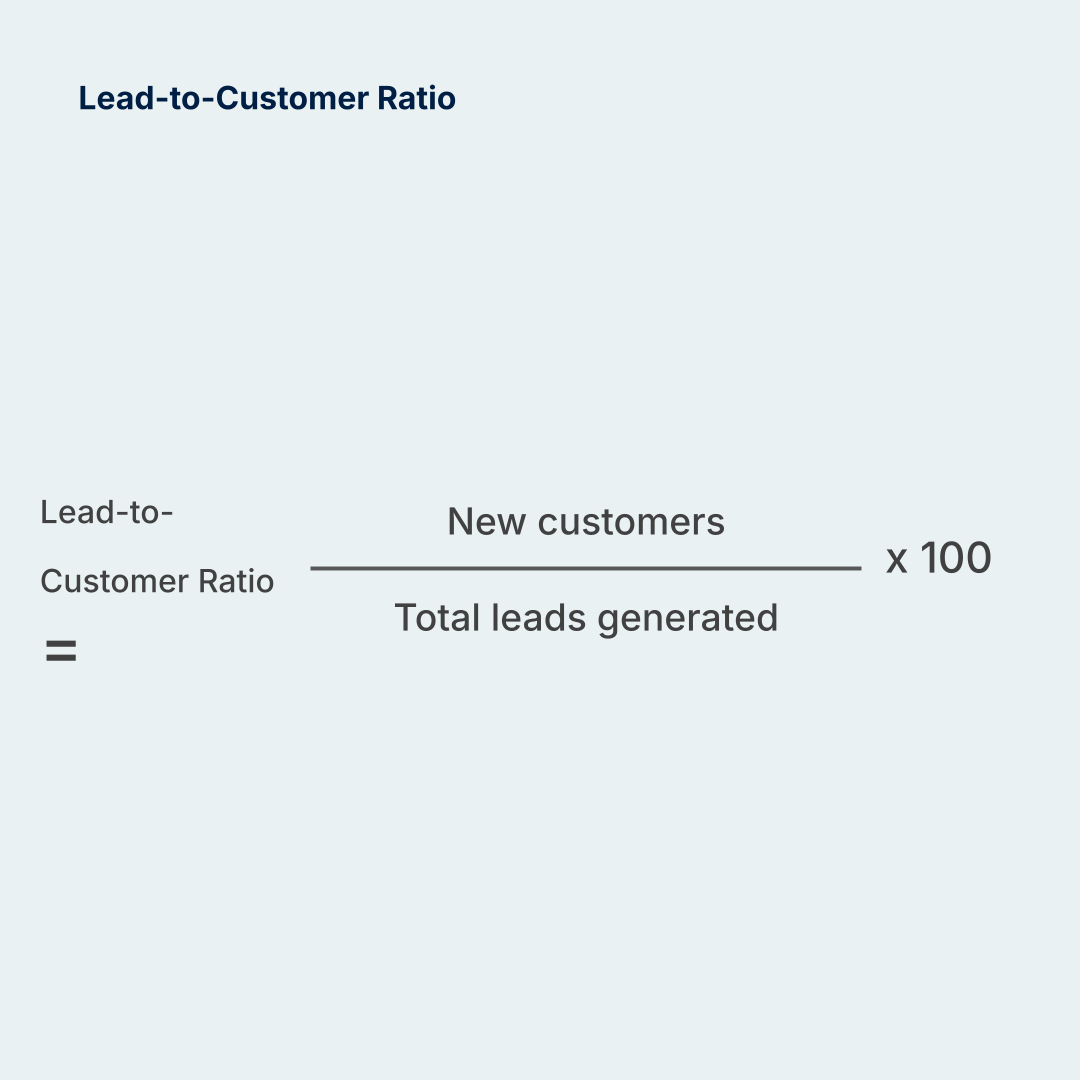
The Lead-to-Customer Ratio measures the percentage of leads that convert into paying customers. It helps you determine how well your marketing and sales teams are working together to nurture leads through the funnel.
Why It Matters:
A strong lead-to-customer ratio indicates that your nurturing efforts, such as email follow-ups and sales outreach, are effectively turning interested prospects into paying customers. A low ratio suggests a gap in your funnel or misalignment between marketing and sales.
Optimisation Tip:
Boost this ratio by improving lead qualification, aligning marketing and sales efforts, and personalising your nurturing campaigns based on customer behavior and interests.
How to Measure and Optimise KPIs
Tracking these KPIs is essential, but you’ll need the right tools to monitor them in real time and make data-driven decisions. Here are a few tools to help you measure and optimise your SaaS marketing KPIs:
- Google Analytics: Track website traffic, conversion rates, and user behavior.
- HubSpot: Manage your leads, track your lead-to-customer ratio, and monitor marketing performance.
- Userpilot: Analyze product usage and customer engagement metrics.
- Baremetrics: Specialised for SaaS, this tool tracks churn, MRR (Monthly Recurring Revenue), LTV, and other critical metrics.
Once you have the tools in place, review your KPIs regularly and adjust your strategies as needed. A/B testing, customer feedback loops, and cross-department collaboration can all help improve these metrics over time.
To ensure SaaS marketing success in 2025, tracking and optimising the right KPIs is essential. By keeping a close eye on metrics like Customer Acquisition Cost, Customer Lifetime Value, Churn Rate, Conversion Rate, and Lead-to-Customer Ratio, you can fine-tune your marketing strategy to drive sustainable growth.
Ready to optimise your KPIs? Top tip: Use KPI Tracker (totally free) to start monitoring and improving your SaaS marketing performance today!